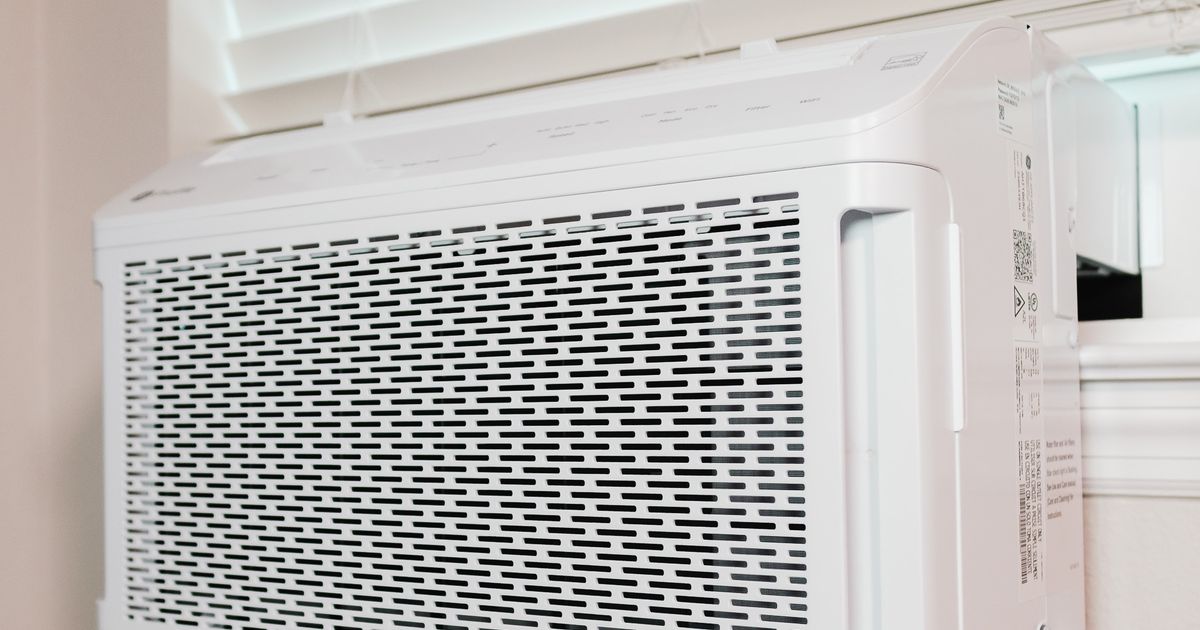
A tenant-installed window AC unit. As of July 1, 2026, Ontario renters have a legal right to cool their own units. Photo: Pexels.
As of July 1, 2026, tenants across Ontario have a new legal right: if their landlord does not already provide air conditioning, they can install and run their own window or portable AC unit. The change comes from a section of the 2023 Helping Homebuyers, Protecting Tenants Act that only came into force this month, right in the middle of a summer heat wave.
If you have investor or landlord clients — or you own rental property yourself — this is worth understanding. It changes what tenants can do, and it opens a small but real bookkeeping question for landlords who pay their building's electricity.
What actually changed
Previously, a tenant who wanted air conditioning in a unit without central cooling was often at the mercy of their lease and their landlord's goodwill. Now the right is written into the Residential Tenancies Act. A tenant may install a window or portable air conditioner, provided a few conditions are met.
The conditions tenants have to meet
- Written notice (when the landlord pays the power): If the landlord is responsible for the unit's electricity, the tenant must notify the landlord in writing before installing or using the AC, and share details about the unit's energy efficiency and their expected usage.
- No damage: The installation and operation cannot damage the rental unit or the residential complex.
- Code compliance: The installation has to comply with municipal and building regulations. If local rules don't permit it, the tenant can't proceed.
- Not everywhere: These rules do not apply to units in a mobile home park or a land lease community.
The part landlords need to know: cost recovery
Here's the piece that matters for the books. When a tenant installs an AC unit in a rental where the landlord pays for electricity, the landlord is allowed to raise the rent to recover the cost of running it — but only within limits:
- It applies only to units installed on or after July 1, 2026.
- The increase can only reflect the actual cost of running the air conditioner, or a reasonable estimate based on the energy-efficiency details and usage information the tenant provides.
In other words, this isn't a general rent increase — it's a targeted, documented recovery of a specific electricity cost. And "documented" is the operative word.
Why this is a bookkeeping conversation
For a landlord who pays the power, any AC cost-recovery amount collected from a tenant is income that needs to be recorded, and the electricity cost it offsets is an expense. If your client is going to justify the increase, they need a paper trail: the tenant's written notice, the energy-efficiency details, the usage estimate, and the math behind the number. That's exactly the kind of record that gets lost in a text thread or a shoebox and then can't be produced when it's questioned.
A few things worth flagging to landlord clients:
- Keep the tenant's written notice on file. It's the basis for any cost-recovery increase — treat it like a receipt.
- Track the recovery separately. Recording the AC cost-recovery income against the electricity expense keeps the picture clean at tax time and makes the increase defensible.
- Hold the supporting math. Whether it's an actual metered cost or a reasonable estimate, the calculation should be saved alongside the notice.
What to tell your clients
For tenants: the right exists, but it comes with steps — written notice where the landlord pays the power, no damage, and code compliance. For landlords: you can recover the running cost on units installed from July 1 onward, but only the real amount, and only if you can show your work. This is a small change, but it's the kind of detail that separates an organized rental operation from a messy one.
This article is general information, not tax, accounting, or legal advice. Rules under the Residential Tenancies Act can change and individual situations vary — confirm specifics with the Landlord and Tenant Board or a qualified professional before acting.